
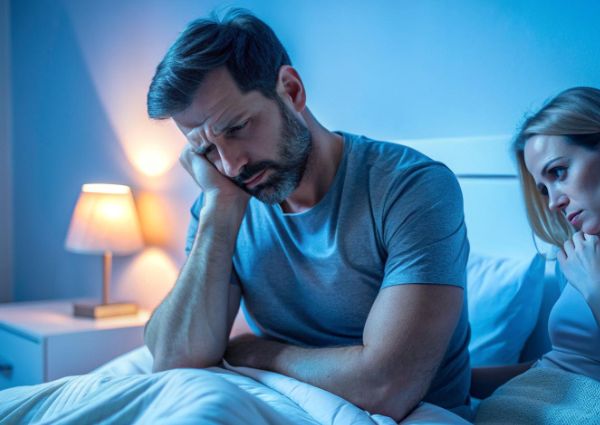
Feeling exhausted after a long day is normal, but when tiredness becomes constant, it can begin to affect every aspect of your life, including your sex drive. Many people assume a low libido is simply a result of stress or aging, but persistent fatigue often points to underlying medical or lifestyle issues that deserve attention.
A healthy sex drive depends on a balance of physical energy, hormones, emotional well-being, and overall health. When your body is running on empty, sexual desire is often one of the first things to decline. Understanding the medical reasons behind fatigue-related low libido can help you take the right steps toward improving both your health and your intimate relationships.
How Fatigue Affects Sexual Desire
Sexual activity requires both physical and mental energy. Chronic fatigue reduces your body’s ability to produce energy, maintain hormonal balance, and respond to sexual stimulation. It can also make you feel emotionally disconnected, irritable, and less interested in intimacy.
When fatigue becomes a daily struggle, your body naturally prioritizes essential functions over reproduction and sexual activity. As a result, libido decreases, and sexual performance may also suffer.
Medical Reasons Behind Fatigue and Low Sex Drive
1. Hormonal Imbalances
Hormones play a vital role in regulating sexual desire. Low testosterone in men can lead to reduced libido, erectile difficulties, and persistent tiredness. Thyroid disorders, especially hypothyroidism, can also slow metabolism, causing fatigue, weight gain, and a noticeable drop in sexual interest.
2. Poor Sleep Quality
Not all sleep is restorative. Conditions such as insomnia or sleep apnea prevent the body from reaching deep, refreshing sleep. Lack of quality sleep lowers testosterone production, affects mood, and leaves you feeling exhausted throughout the day, reducing your interest in intimacy.
3. Stress and Mental Health Issues
Chronic stress increases cortisol levels, which interfere with the body’s natural production of sex hormones. Anxiety and depression can also reduce libido while causing persistent fatigue, lack of motivation, and emotional withdrawal. In some cases, antidepressant medications may further affect sexual desire.
4. Nutritional Deficiencies
Low levels of iron, vitamin D, vitamin B12, and other essential nutrients can lead to weakness, fatigue, and reduced stamina. Poor nutrition affects blood circulation, energy production, and hormone function, all of which contribute to a healthy sex life.
5. Diabetes and Metabolic Disorders
Uncontrolled diabetes can damage blood vessels and nerves, reducing sexual sensation and performance. It also causes fatigue due to fluctuations in blood sugar levels. Metabolic disorders and obesity can further impact hormone production and lower libido.
6. Heart and Circulatory Problems
The cardiovascular system plays a very important role in sexual function. Poor circulation, high blood pressure, or heart disease may reduce blood flow to the reproductive organs while causing fatigue during everyday activities. This combination often leads to decreased sexual confidence and desire.
7. Chronic Illnesses
Conditions such as kidney disease, liver disorders, autoimmune diseases, and chronic infections can leave the body in a constant state of exhaustion. Living with long-term illness also places emotional stress on individuals, further affecting intimacy.
Lifestyle Habits That Make It Worse
Certain daily habits can worsen both fatigue and sexual health, including:
- Lack of regular exercise
- Poor eating habits
- Excessive alcohol consumption
- Smoking
- High caffeine intake late in the day
- Long working hours with inadequate rest
Improving these habits often leads to better energy levels and gradual improvement in libido.
When Should You See a Doctor
Occasional tiredness is common, but if fatigue continues for several weeks and is accompanied by a noticeable decline in sexual desire, it should not be ignored. Other warning signs include erectile dysfunction, unexplained weight changes, low mood, poor sleep, or persistent weakness.
A healthcare professional can identify the root cause through medical history, physical examination, and laboratory tests. Early diagnosis often leads to more effective treatment and prevents the condition from worsening.
Treatment Options
Treatment depends on the underlying cause. It may involve hormone therapy, nutritional supplementation, management of chronic medical conditions, counseling for stress or depression, sleep disorder treatment, or lifestyle modifications. Regular exercise, balanced nutrition, quality sleep, and stress management are often the foundation of recovery.
Rather than relying on temporary solutions or self-medication, addressing the medical cause provides long-term improvement in both energy levels and sexual health.
Persistent fatigue is more than just feeling tired, it can be a sign that your body needs medical attention. Ignoring ongoing exhaustion and a declining sex drive may allow underlying health conditions to progress. By identifying and treating the root cause, many individuals can restore their energy, confidence, and intimate well-being.
If you’re experiencing ongoing fatigue, low libido, or other concerns related to sexual health, Lal Clinic offers professional evaluation and personalized sexual treatment in a confidential and supportive environment. With experienced medical guidance, you can uncover the real cause of your symptoms and take the first step toward a healthier, more fulfilling life.