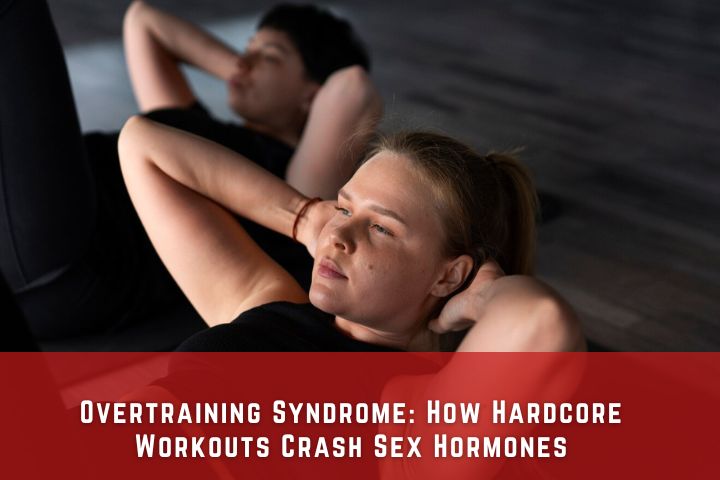
Exercise is essential for good health, but when training becomes excessive and recovery is neglected, it can lead to a serious condition known as Overtraining Syndrome (OTS). While many people link overtraining with muscle fatigue, injuries, and exhaustion, few realize its direct impact on sex hormones. Hormonal imbalance caused by intense, nonstop training can affect libido, fertility, performance, and overall well-being. In this blog, we explore how overtraining affects your body, why sex hormones crash, and how you can identify and prevent these issues.
1. Understanding Overtraining Syndrome and Its Effects on the Body
Overtraining Syndrome occurs when the body doesn’t get enough time to recover between intense workouts. Instead of building strength, the body falls into a constant state of stress. This stress triggers elevated levels of cortisol, the body’s primary stress hormone.
High cortisol levels create a chain reaction:
-
Reduced testosterone production
-
Lower estrogen levels in women
-
Muscle weakness and slower recovery
-
Chronic fatigue and irritability
-
Poor sleep quality
When cortisol stays high for long periods, it signals the body to conserve energy and suppress non-essential functions—including reproductive and sexual functions. This is the body’s way of protecting itself from excessive stress.
Athletes, fitness enthusiasts, bodybuilders, or anyone following high-intensity training without rest days are at a higher risk of developing OTS. Ignoring early warning signs can lead to months of hormonal imbalance, low energy, and declining sexual health.
2. How Overtraining Damages Sex Hormones
Sex hormones like testosterone, estrogen, and progesterone are essential for sexual desire, fertility, muscle growth, mood, and overall vitality. Overtraining disrupts these hormones in several ways.
Reduced Testosterone Levels (Men)
Hardcore training with inadequate rest increases cortisol, which directly blocks testosterone production. Low testosterone results in:
-
Low libido
-
Erectile dysfunction
-
Loss of muscle mass
-
Mood swings and irritability
-
Decreased sperm production
Athletes with chronic overtraining often experience significant drops in testosterone, affecting both sexual and athletic performance.
Hormonal Disruption in Women
For women, overtraining disrupts the menstrual cycle by reducing estrogen and progesterone. This can cause:
-
Irregular or missed periods
-
Decreased libido
-
Vaginal dryness
-
Fertility problems
-
Increased stress and anxiety
Women involved in endurance sports often face hormonal imbalances known as Female Athlete Triad, which includes low energy, menstrual dysfunction, and weakened bones.
Impaired Sexual Function (Both Genders)
Since sexual function depends on a delicate hormonal balance, overtraining can lead to:
-
Lower sexual desire
-
Difficulty in arousal
-
Fatigue during intercourse
-
Emotional disconnection due to stress hormones
Simply put, hardcore workouts without rest can confuse the brain and body, leading to reproductive suppression.
3. Recognizing Symptoms and Reversing Hormonal Crash
Early detection is the key to preventing long-term hormonal damage. Common symptoms of Overtraining Syndrome include:
-
Constant fatigue
-
Decreased performance despite harder training
-
Difficulty sleeping
-
Mood swings or depression
-
Persistent muscle soreness
-
Drop in libido
-
Irregular periods (in women)
-
Reduced morning erections (in men)
If these symptoms persist for more than a few weeks, it’s important to seek medical help. Recovery from OTS involves several steps:
Rest and Recovery
The most effective treatment is adequate rest. Reducing training volume, adding rest days, and prioritizing sleep helps rebalance cortisol and sex hormones.
Nutrition and Hydration
Eating balanced meals rich in protein, healthy fats, vitamins, and minerals boosts hormone production. Avoiding stimulants like excessive caffeine also helps.
Stress Management
Yoga, meditation, and controlled breathing improve cortisol levels and support hormonal health.
Medical Evaluation
If hormonal imbalance continues, medical experts can test testosterone, estrogen, and cortisol levels and provide targeted treatments to restore balance.
Conclusion
Overtraining Syndrome is more than just physical burnout—it can significantly crash your sex hormones and affect your sexual health, fertility, mood, and overall vitality. Understanding the signs and balancing training with proper rest is crucial for long-term wellness.
Lal Clinic provides the best sexual treatment regarding hormonal imbalance, sexual health issues, and Overtraining Syndrome with expert doctors offering personalized care.